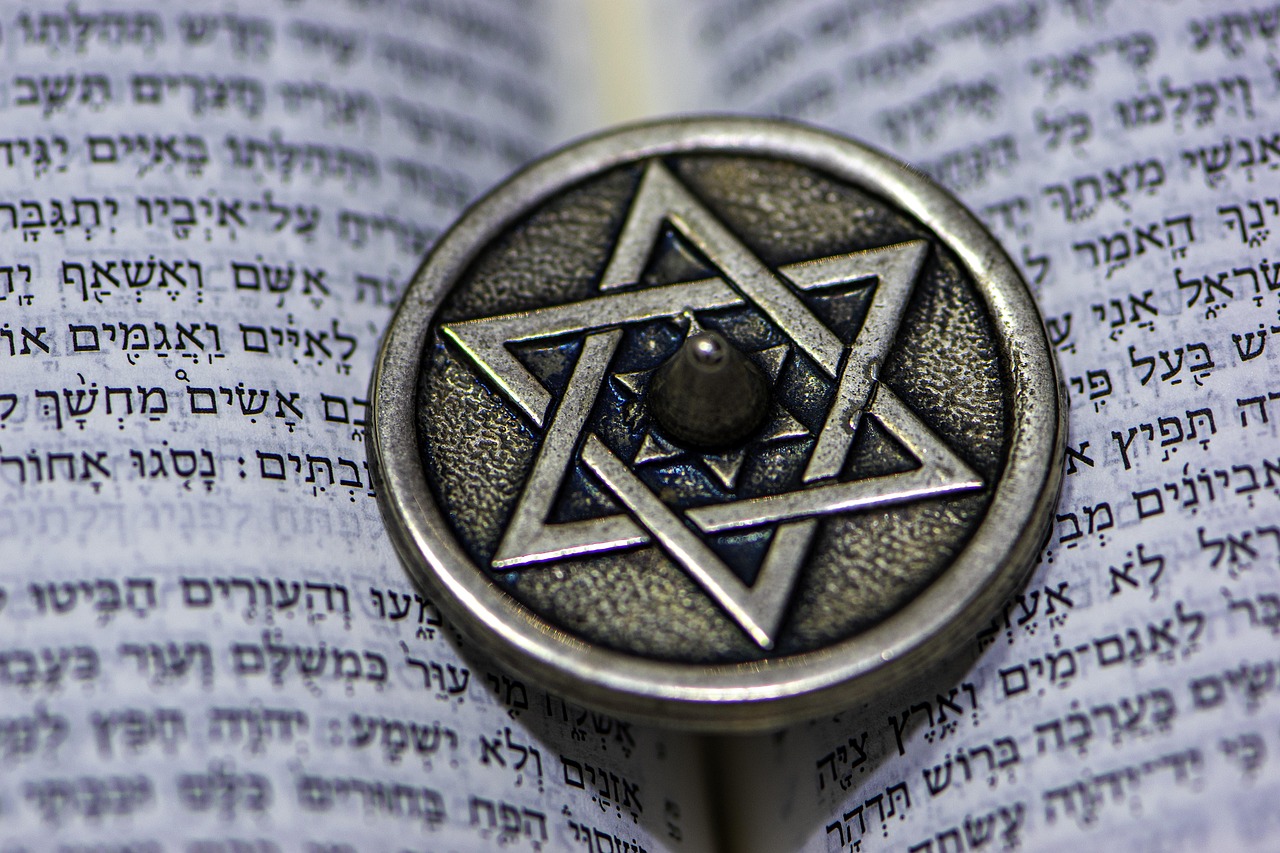
Grief and mourning are universal experiences, and various cultural and religious traditions offer structured ways to process loss. In Jewish tradition, mourning practices provide a framework for honoring the deceased, supporting the bereaved, and reintegrating into community life. This post explores key elements like Shiva, Kaddish, and other common customs, drawing from established Jewish teachings. These are presented as informational insights for those interested—mourning is highly personal, and individuals may adapt or combine them with other approaches. Professional grief counseling is recommended alongside any cultural or spiritual practices.
Why Jewish Mourning Practices Can Be an Option
Jewish mourning rituals emphasize community support, remembrance, and a gradual return to normalcy. Rooted in ancient texts like the Torah and Talmud, they offer emotional and spiritual guidance during loss. These practices can foster healing through ritual, reflection, and social connection, and they're observed across denominations (e.g., Orthodox, Conservative, Reform). However, they're flexible and not prescriptive; always consult a rabbi or mental health professional for personalized advice.
Key Practices and Traditions
Here are some central Jewish mourning customs, explained briefly with resources for further learning. These often involve family, synagogue involvement, and symbolic acts.
Shiva. The initial seven-day mourning period (from the Hebrew for "seven") where the immediate family stays home, receives visitors (called "sitting Shiva"), and refrains from work or daily routines. Mirrors are covered, and low stools are used to symbolize humility. Community members provide meals and comfort. My Jewish Learning: Shiva Guide (https://www.myjewishlearning.com/article/shiva/)
Kaddish. A prayer recited by mourners (typically children or close relatives) to praise God and affirm life, even in grief. It's said daily for 11 months after a parent's death and at Yahrzeit (anniversary). Synagogues often host services where Kaddish is recited communally. Chabad.org: The Mourner's Kaddish (https://www.chabad.org/library/article_cdo/aid/281636/jewish/The-Mourners-Kaddish.htm)
Common Traditions.
- Sheloshim: A 30-day period following burial with continued restrictions, leading to gradual reintegration.
- Yahrzeit: Annual remembrance with candle lighting and Kaddish.
- Unveiling: A ceremony (typically within a year) to dedicate the headstone.
- Yizkor: Memorial prayers recited during certain holidays in synagogue services.These vary by community; for example, Reform Jews might adapt them more liberally.Reform Judaism: Jewish Mourning Guide (https://reformjudaism.org/beliefs-practices/lifecycle-rituals/death-mourning)
Support Resources. Organizations like Kavod v'Nichum provide guidance on Jewish end-of-life practices, including bereavement groups. Local synagogues or Jewish Family Services often offer counseling. Kavod v'Nichum: Jewish Bereavement Resources (https://kavodvnichum.org/)
These practices can be observed at home, in synagogues, or online, with adaptations for modern life.
Tips for Observing or Learning About These Practices
- Consult a Rabbi. Reach out to a local synagogue for guidance tailored to your denomination and situation.
- Community Involvement. Join or form a support group through Jewish organizations for shared experiences.
- Combine with Modern Support. Integrate these with therapy, hotlines (e.g., 988 Lifeline), or non-religious grief resources.
- Cultural Sensitivity. Traditions may differ by Ashkenazi, Sephardic, or other heritages—research specifics if needed.
- Accessibility. Virtual resources are available for those unable to attend in person.
If these traditions don't align with your needs, explore secular or other faith-based options for grief support.
Final Thoughts
Jewish mourning practices like Shiva, Kaddish, and related customs offer a structured path for remembrance and healing for those who find them meaningful. This overview provides links to external sites for deeper exploration, but grief is individual ...select approaches that suit you best. If you're in crisis, seek immediate professional help.
We're always looking to improve our content and expand our resources. If you're an editor or subject matter expert interested in partnering with us on topics like grief support, please contact us at probatecourtbond.com.
Sources and Citations
All information was verified on official sites as of November 15, 2025. Here are the key links:
Shiva Guide | My Jewish Learning https://www.myjewishlearning.com/article/shiva/
The Mourner's Kaddish | Chabad.org https://www.chabad.org/library/article_cdo/aid/281636/jewish/The-Mourners-Kaddish.htm
Jewish Mourning Guide | Reform Judaism https://reformjudaism.org/beliefs-practices/lifecycle-rituals/death-mourning
Jewish Bereavement Resources | Kavod v'Nichum https://kavodvnichum.org/
