Lost Car Title After a Death: What Executors and Heirs Can Do
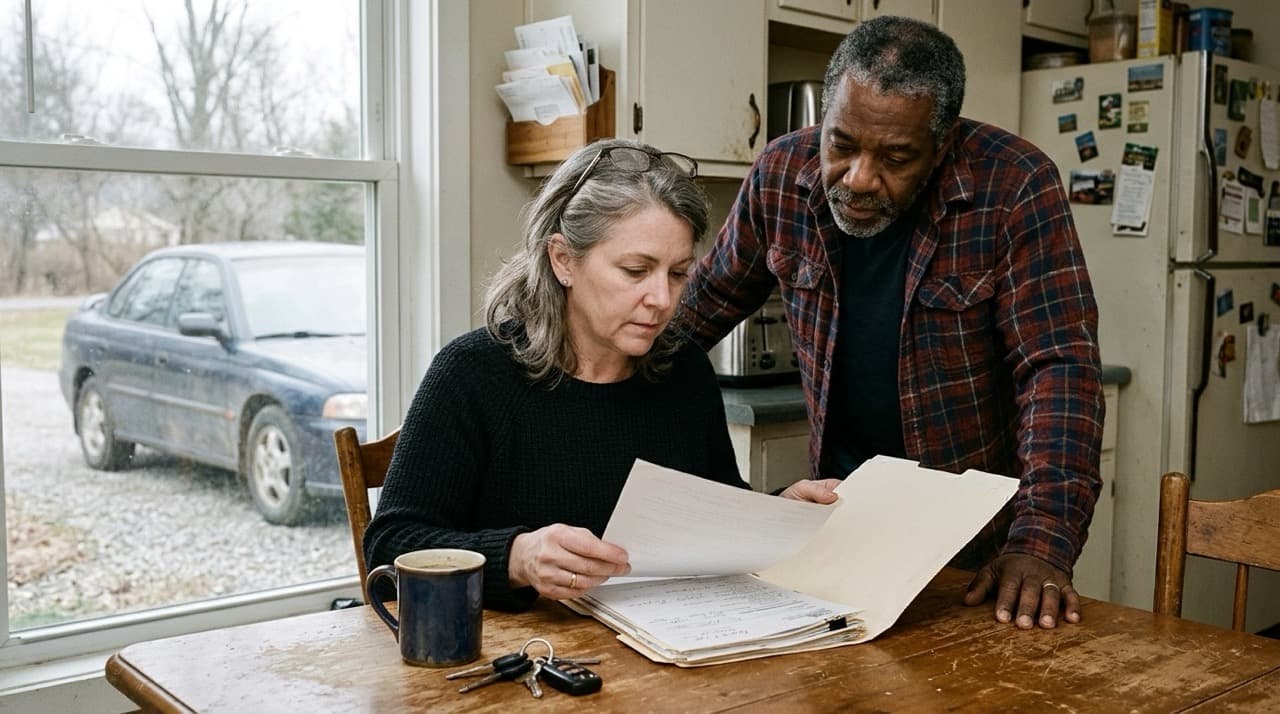
It usually comes up a few weeks in. The funeral is over, the court has appointed someone to handle the estate, and there is a car sitting in the driveway that nobody can sell, insure, or move into anyone's name, because nobody can find the title.
We hear about it because we write probate bonds, and the person calling about the estate bond is often the same person stuck on the car. A missing title is almost always fixable. The fix just depends on why it is missing.
First, figure out who can sign for the car
A vehicle owned by someone who has died does not stay frozen. In most states it moves to a new owner in one of a few ways:
- A surviving joint owner. If the title listed two owners, the survivor may be able to take it alone, depending on how the names were joined.
- A transfer on death beneficiary, in states that let owners name one on the title.
- A surviving spouse or heir using a small estate process, when the estate falls under the state's dollar limit.
- The personal representative, also called the executor or administrator, when the estate goes through probate. That person signs for the car using the letters the court issued.
The forms and limits are different in every state, so check with your state's motor vehicle agency before you sign anything.
For a state by state walkthrough of those forms, Car Title Steps has a guide to transferring a car title after the owner dies, with each step cited to the state agency.
If the title is only lost, start with a duplicate
Here is the part people don't expect. Most missing titles do not call for a bond at all. If the state's records show the car titled in the deceased owner's name, the person with authority can usually apply for a replacement title and then transfer it.
The agency will want proof of that authority. Expect to provide a death certificate and, depending on the route, the letters from the probate court, a small estate affidavit, or the state's own heir transfer form. It costs a small fee and some patience. Try it first.
When a lost title bond comes into the picture
A bonded title, also called a lost title bond or certificate of title bond, solves a different problem. It is used when the paperwork cannot prove who owns the vehicle. With estates, that tends to happen when:
- The deceased bought the car but never got it titled in their name
- A title was signed over to them years ago and never processed
- The vehicle came from another state and the record trail has gaps
- A boat, trailer or older vehicle was never titled properly in the first place
In those cases the state may issue a title backed by a surety bond. The bond protects anyone who later turns out to have a better claim to the vehicle, such as a prior owner. The title usually carries a "bonded" brand for a set number of years, and if nobody makes a claim in that time, the brand can come off.
One rule holds nearly everywhere. Do not buy the bond first. The state decides whether the vehicle qualifies and sets the bond amount, usually based on its value. Buy the bond once you have that number in writing.
A few state examples
Rules change, so confirm with the agency before you file. As of this writing:
- Wisconsin requires a surety bond when a vehicle has no proper ownership document or the chain of ownership is incomplete. WisDOT holds the bond for five years and the title carries a "BOND POSTED" brand during that time.
- Minnesota sets the bond at one and a half times the vehicle's value, holds it for three years, and brands the title "BONDED."
- Utah may require a bond on form TC-824 when the vehicle is worth more than $3,000, in an amount equal to twice its fair market value.
- Alaska uses a three-year, non-cancelable bond at one and a half times the appraised value, and the vehicle has to be physically in Alaska.
- Nevada handles bonded titles through the DMV's Title Research Section in Carson City, not at its field offices.
- California uses its own Motor Vehicle Ownership Surety Bond, form REG 5057.
Lost title bonds by state
If the agency has told you a bond is required, these pages on our sister site, AmericasSuretyBonds.com, explain each state's requirement and let you apply online:
- Alaska lost title bond
- Arizona lost motor vehicle certificate of title bond
- California motor vehicle ownership bond
- Minnesota ownership and security interest bond
- Missouri lost car title bond
- Nevada lost title bond (vehicle bond affidavit)
- Texas lost title bond for vehicles
- Texas lost title bond for boats
- Utah insufficient evidence of ownership bond
- Washington vehicle ownership bond
- Wisconsin motor vehicle lost title bond
Don't see your state? Many states handle a missing title without a bond. Your state's motor vehicle agency can tell you which process applies.
This is not the same bond as your probate bond
If you are the personal representative, you may be dealing with two bonds at once, and they have nothing to do with each other.
The probate bond is ordered by the court. It protects the estate and its heirs while you manage the estate's property. The lost title bond is required by the motor vehicle agency. It protects anyone with a competing claim to one vehicle. Different obligee, different amount, different form.
The car is still estate property while it waits on a title, so it is still your responsibility. Keep it insured and secured, and hold off on handing the keys to a relative until the title is in order.
Common questions
Can the executor sign the title for a car still in the deceased owner's name?
Generally yes, once the court has issued letters. The executor or administrator signs on the estate's behalf, and the agency will ask for a copy of the letters and the death certificate.
Does every lost title need a bond?
No. Most lost titles are replaced with a duplicate. A bond comes up when ownership itself cannot be shown from the records.
Who pays for a lost title bond?
Whoever applies for the title, usually the heir or the personal representative. If you are applying on the estate's behalf, ask the estate's attorney whether it can be paid from estate funds.
How long does the bond last?
It depends on the state. Three years is common. Wisconsin holds them for five.
One less thing to worry about
Settling an estate means a lot of small problems landing at once. A missing car title is one of the more solvable ones. And if you are the person the court appointed and you still need the estate bond itself, we can help with that part too.
Start a probate bond application
General information only. Title and bond rules vary by state and change often. Confirm every step with your state's motor vehicle agency and the court handling the estate.